

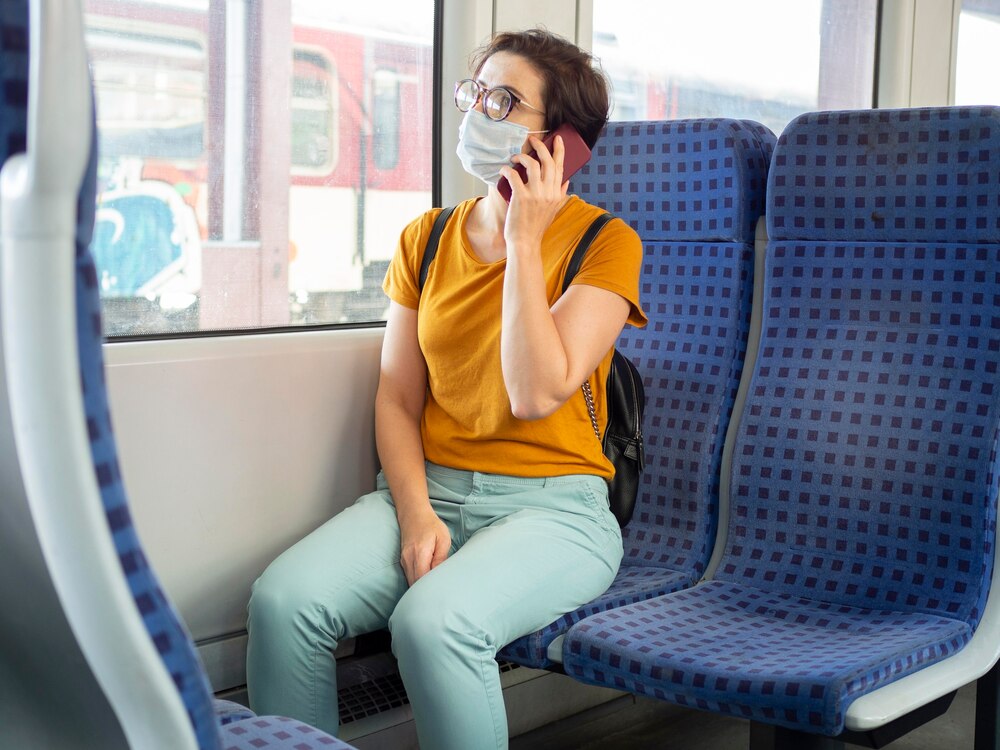
Understand causes and practical steps
How Travel Sickness Happens and What Helps
Travel sickness is caused by a mismatch between motion sensed by the inner ear and visual input. Symptoms include nausea, dizziness, sweating and headaches. Effective management blends prevention and treatment: choose seating with minimal motion, focus on the horizon, avoid strong odors and heavy, greasy foods before travel. Over-the-counter and prescription medications can help, especially when taken at the right time before travel. For children and pregnant travellers, discuss suitable options with a pharmacist. Combining medication with behavioral measures often gives the best results.
Avoid heavy meals
Consider antiemetic tablets
Time medication correctly
Use non-drug methods

Medication choices and safe use
Medicines: What Works and How to Use Them
Medications commonly used include antihistamines like cyclizine and promethazine, and newer options such as meclizine or prescription scopolamine patches. Antihistamines are often taken one hour before travel and can cause drowsiness; scopolamine patches are applied behind the ear several hours before travel and last up to three days. For children, dosing is weight-based—always check with a pharmacist. If you have medical conditions or take other medicines, review interactions with a pharmacist before starting any travel sickness drug. We explain side effects and recommend the best choice for your situation.

Seating & Position
Choose a seat with less motion, like the front or over the wings.
Medication Timing
Take recommended medication at the right time before travel.
Non-Drug Options
Use ginger, acupressure bands and steady visual focus.
Key Points to Reduce Motion Sickness
Quick, consistent steps reduce the risk of travel sickness. Start with simple non-drug measures: sit facing forward, keep eyes on the horizon, and ensure fresh air. When needed, use antiemetic medication timed properly—pharmacists can advise which is best for adults, children or pregnant travellers. Combine drug therapy with behavioral strategies for the most reliable relief. If symptoms persist despite these measures, seek professional advice to rule out other causes or to discuss prescription options.
Take medication before travel
Sit where motion is least
Avoid strong smells and foods
Try ginger or acupressure
Preparation and small adjustments
Travel Planning and Non-Drug Strategies
Preparing ahead helps: pack any prescribed or recommended medication, bring acupressure wristbands, and have small snacks like crackers to settle the stomach. Plan trips with frequent breaks on long car journeys and choose calmer travel times when possible. Stay hydrated but avoid large, fatty meals before travel. For sea travel, choose a cabin mid-ship and on lower decks. Consider motion-resistant activities—reading increases symptoms, so look outside or close your eyes and rest when needed.

Simple steps for immediate relief
Immediate Actions During an Episode
Fresh air, steady vision and controlled breathing can quickly ease symptoms. If possible, move to a more stable part of the vehicle, sip clear fluids, and take an appropriate anti-sickness tablet as advised. Avoid sudden head movements and stay calm; anxiety can make symptoms worse.
Frequently Asked Questions
Common questions about travel sickness and safe solutions.
When should I take travel sickness medication?
Take most oral antihistamines about one hour before travel. Scopolamine patches should be applied behind the ear several hours before departure. Follow product instructions and pharmacist advice for timing.
Are there options safe for children?
Yes—some antihistamines are suitable for children with age- or weight-based dosing. Always check the product label and consult a pharmacist for the correct dose and suitability.
Can I drink alcohol with travel sickness medicine?
Alcohol can increase drowsiness and other side effects for many anti-sickness medicines. It’s best to avoid alcohol around the time you take these medications.
Do natural remedies work?
Ginger, acupressure bands and controlled breathing can help some people and are low-risk. They can be useful alongside medications but may not be sufficient for everyone.
When should I see a healthcare professional?
If symptoms are severe, persistent, unusually frequent, or if over-the-counter measures fail, consult a pharmacist or doctor. Also seek advice if you are pregnant, breastfeeding, or on other medications.