


Health Advice & Self-care
Practical, evidence-informed tips to help you feel better and stay well every day.
Simple checks to track your health.
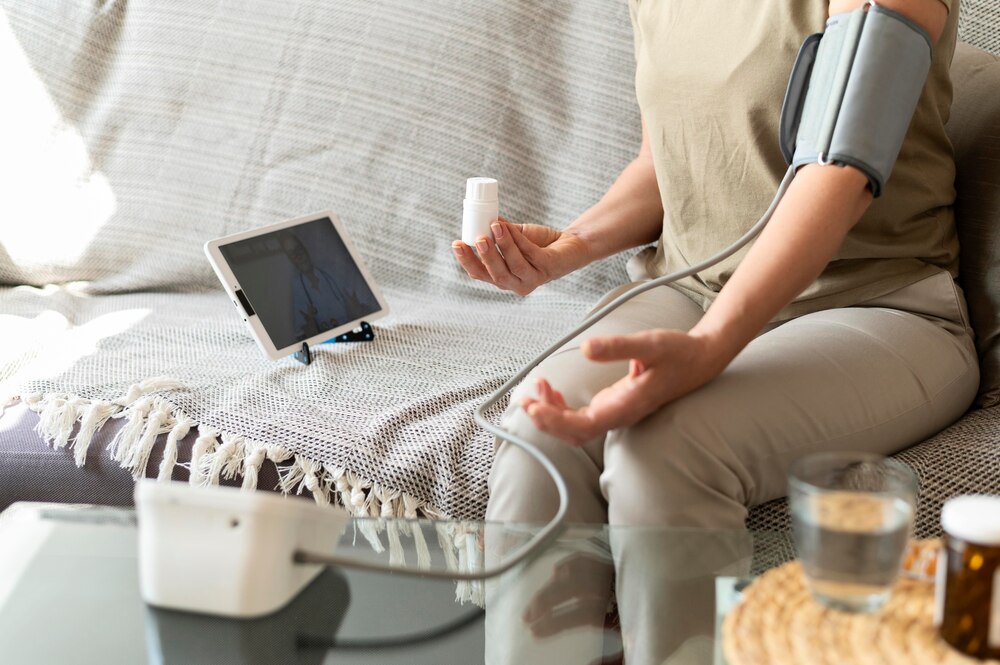
Monitor Basics at Home
Learning to monitor basic measures at home, like blood pressure, temperature, and resting pulse, empowers you to spot changes early. Use reliable devices, follow manufacturer instructions, and record results consistently. Note trends rather than single readings, and bring logs to appointments. If readings are repeatedly abnormal or you feel unwell, contact a healthcare professional. Home monitoring complements, but does not replace, routine clinical checks. Proper technique and regular calibration of devices ensure accuracy and confident self-management.
Use OTC medicines wisely and safely.
Safe Over-the-Counter Use
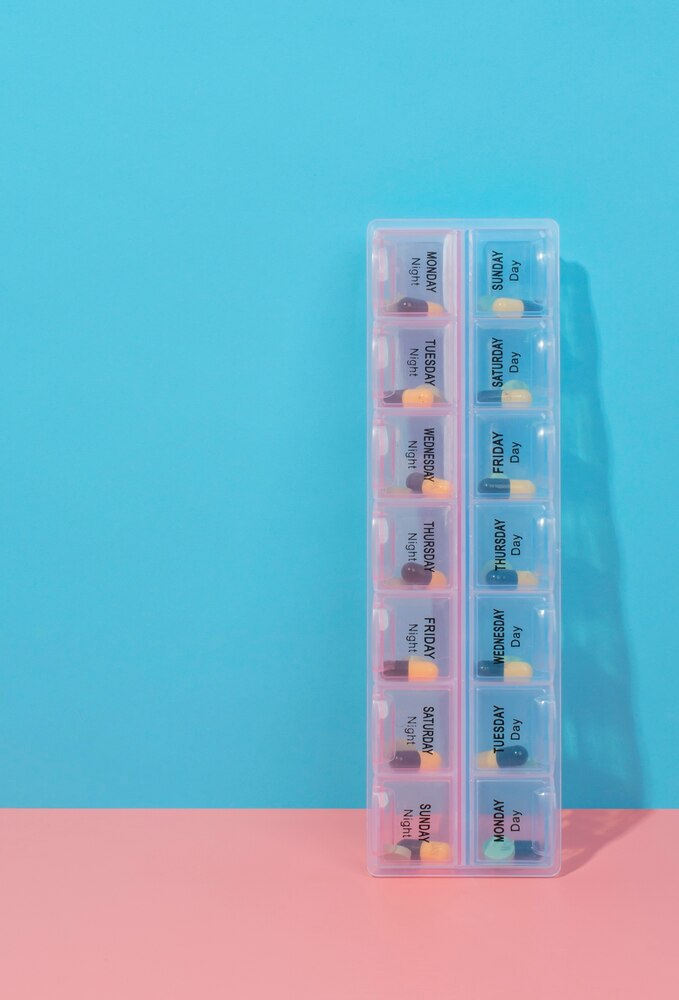
Over-the-counter (OTC) medicines can effectively relieve common symptoms when used appropriately. Always read labels to confirm active ingredients and recommended doses, and avoid combining products with the same active substance. Consider allergies, existing conditions, and other medications to reduce interaction risks. Keep a dosing diary for children and older adults to prevent accidental overdosing, and store medicines out of reach of children. If symptoms persist beyond the recommended duration or worsen, seek medical advice. Pharmacists can help choose suitable OTC options and offer personalised dosing guidance.
Read the active ingredients
Follow dosing schedule strictly
Watch for side effects
Check food and drug interactions
Core Self-care Principles
Self-care is a combination of daily habits and informed choices that maintain health and support recovery from minor illnesses. Aim for consistent sleep patterns, adequate hydration, and balanced meals to keep energy and immunity stable. Gentle activity and stress-reduction techniques such as breathing or short walks can aid both physical and mental wellbeing. Keep a small home kit for minor issues, understand basic wound care and fever management, and use trusted sources for medication guidance. When symptoms are severe, persistent, or you feel uncertain, consult a healthcare professional promptly.
Prioritise rest and sleep
Stay hydrated regularly
Maintain balanced nutrition
Seek help when unsure
Minor Injuries
Cleaning, dressing, and when to seek stitches
Medication Advice
Safe use, dosing, and common interactions
Lifestyle Tips
Nutrition, sleep, hydration, and stress relief
Food supports recovery and wellbeing.
Nutrition and Immunity
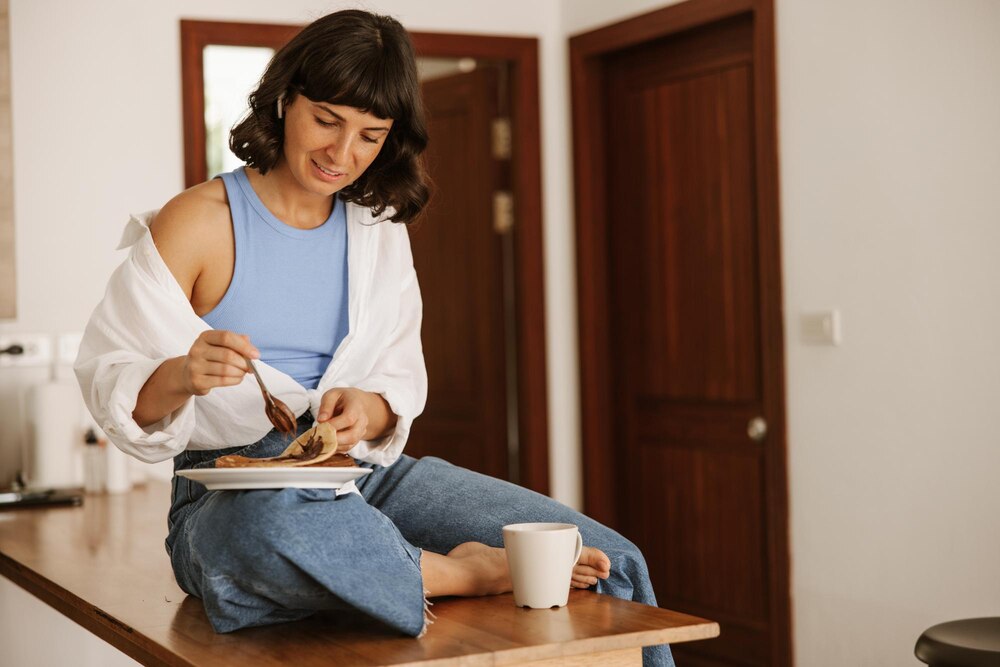
A varied diet rich in fruits, vegetables, whole grains, lean proteins, and healthy fats supports immune function and energy levels. Small, frequent meals can help when appetite is low during illness. Focus on nutrient-dense choices and include sources of vitamin C, zinc, and protein to aid repair. Stay hydrated with water and warm broths, and limit sugary, highly processed foods that can worsen inflammation. If dietary restrictions or chronic conditions complicate nutrition, seek tailored advice from a dietitian or pharmacist.
Recognise warning signs early.
When to Seek Professional Care
Seek urgent care for severe symptoms such as difficulty breathing, chest pain, sudden weakness, high fever unresponsive to treatment, persistent vomiting, or signs of severe allergic reaction. Also consult a professional if symptoms progressively worsen, last longer than expected, or you cannot manage them at home. For chronic condition flare-ups, medication issues, or diagnostic uncertainty, contact your primary healthcare provider. Early professional assessment prevents complications and ensures appropriate treatment pathways. If in doubt, err on the side of caution and ask for clinical advice.
Frequently Asked Questions
Answers to common self-care questions to help you manage symptoms and make informed decisions.
How long should I try self-care before seeing a doctor?
Try self-care for mild, familiar symptoms for up to 48–72 hours if they are improving. If symptoms are severe, getting worse, or not improving within this timeframe, consult a healthcare professional.
Can I take two different cold medicines together?
Avoid combining medicines with the same active ingredients (e.g., two acetaminophen products). Check labels for overlapping components and consult a pharmacist if unsure.
What should be in a basic home first aid kit?
Include adhesive plasters, sterile gauze, bandages, antiseptic wipes, tweezers, digital thermometer, pain reliever, and any personal prescribed medicines. Tailor items for children or chronic conditions.
When is it safe to return to work or school after illness?
Return when fever-free for at least 24 hours without fever-reducing medication, symptoms are improving, and you can participate safely. For some infections, follow local public health guidance.
How can I manage stress at home?
Use short relaxation exercises, maintain a routine, stay connected with others, limit news exposure, and get regular sleep and activity. Seek professional support if stress becomes overwhelming.