

Comprehensive oversight for your medicines.
How We Monitor Medicines
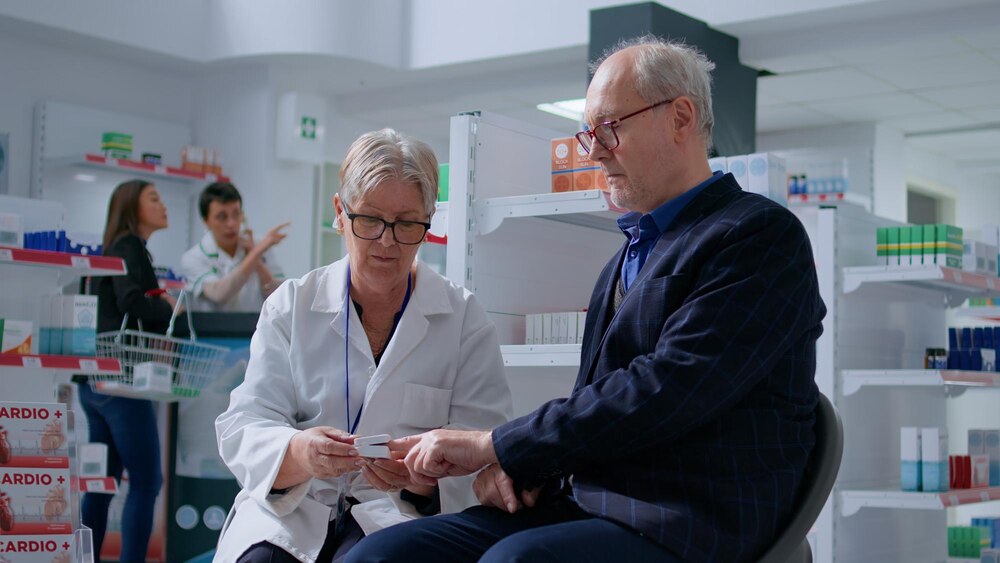
Our medicine monitoring process combines detailed prescription review with proactive patient follow-up to reduce risks and enhance effectiveness. Pharmacists assess drug interactions, duplicate therapies, dosing accuracy, and appropriateness for conditions and age. We contact prescribers when adjustments are needed and educate patients about side effects, storage, and administration. Regular check-ins help identify adherence challenges and provide tailored strategies, such as simplifying regimens or using reminders. Clinical records are updated to track outcomes and trends. This structured approach supports safer therapy, fewer hospital admissions, and improved confidence for patients managing complex medication schedules.
Medication reviews
Side-effect monitoring
Interaction checks
Adherence support
Accurate reconciliation and review.
Medication Reconciliation and Review
Medication monitoring starts with a thorough reconciliation of all prescription, over-the-counter, and herbal products a patient uses. We verify doses, frequencies, and potential duplications, then screen for high-risk combinations and contraindications. For chronic therapies, we track laboratory values and clinical signs that may indicate toxicity or reduced efficacy, coordinating with prescribers to optimize therapy. Clear counseling ensures patients understand when and how to take each medicine, what to watch for, and when to seek help. This vigilance reduces medication errors, avoids adverse events, and supports better long-term control of health conditions.

Key Benefits
Effective medicine monitoring delivers measurable benefits: fewer adverse reactions, improved symptom control, and reduced emergency visits. By identifying interactions and inappropriate dosing early, pharmacists help prevent complications and hospitalizations. Education and follow-up increase adherence, which contributes to consistent therapeutic effects and better disease management. Collaborative communication with doctors and nurses ensures changes are safe and aligned with patient goals. For caregivers and patients, monitoring provides reassurance through documented plans and accessible advice. Overall, this proactive model supports patient safety, optimizes resource use, and enhances quality of care across diverse patient populations.
Reduce adverse drug events
Improve treatment effectiveness
Support patient adherence
Coordinate with prescribers
Personalized Reviews
Personalized medication reviews tailored to each patient’s history and conditions.
Regular Follow-ups
Scheduled follow-ups detect problems early and maintain therapy effectiveness.
Clinical Coordination
Thorough documentation and coordination with prescribers for safe adjustments.
Focused care for complex needs
Monitoring for High-Risk Patients
High-risk patients, such as older adults and those on multiple medicines, benefit most from active monitoring. We prioritize polypharmacy reviews, dose adjustments for renal or hepatic function, and checks for medicines that increase fall risk or cognitive impairment. Counseling is adapted to literacy and sensory needs, and caregivers are engaged when appropriate. We also monitor lab results and clinical signs closely, recommending timely interventions to prevent adverse outcomes. This targeted attention reduces harm, improves independence, and supports safer long-term medication use for vulnerable patients.

Patient-centered safety
Our Commitment
We are committed to keeping medication therapy safe and effective through regular review, clear counseling, and close coordination with the wider care team. Our goal is to simplify regimens, reduce risk, and empower patients to manage their medicines with confidence.
FAQs
Frequently asked questions about medicine monitoring.
What is medicine monitoring?
Medicine monitoring is an ongoing process where pharmacists review prescriptions, check for interactions, track side effects, and follow up with patients to ensure safe and effective medicine use.
Who should have medication monitoring?
Patients on multiple medicines, those starting new therapies, older adults, and people with chronic conditions benefit most from regular monitoring.
How often will I be reviewed?
Review frequency depends on individual risk: it can range from a single reconciliation to regular follow-ups every few weeks or months, as clinically indicated.
Will you contact my doctor?
Yes. When necessary we communicate with prescribers to recommend adjustments, request tests, or clarify prescriptions to ensure safe care.
What if I experience side effects?
Report side effects to your pharmacist or prescriber promptly. We will assess the issue, advise on immediate steps, and coordinate any needed changes.