

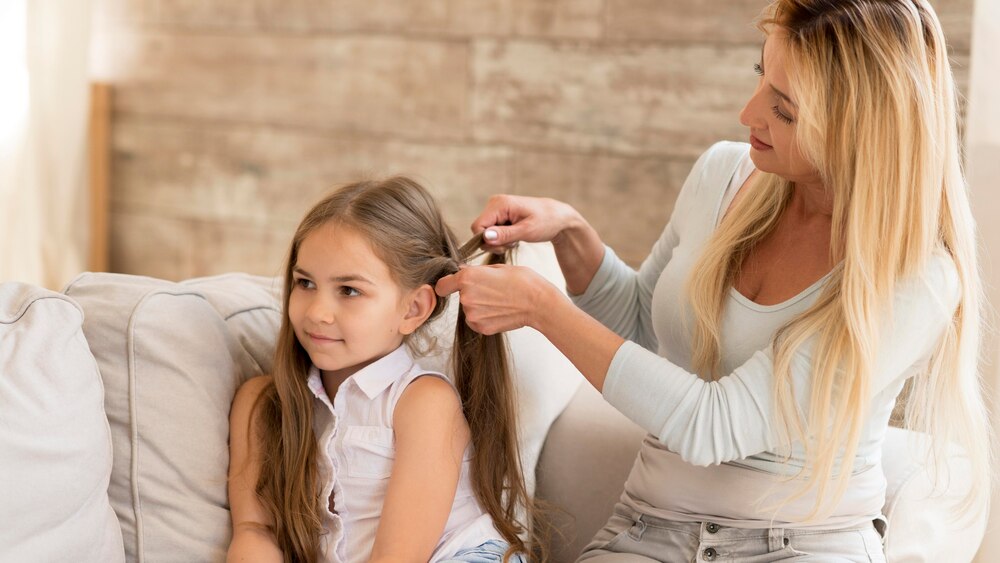
Practical steps for safe, effective removal
Treatment Overview and Key Steps
Start by confirming live lice before treating: look for moving insects or live eggs near the scalp. The most effective non-prescription method combines a licensed topical pediculicide (or dimethicone-based product) and systematic wet-combing with a fine-tooth comb to remove lice and eggs. Follow product instructions exactly and repeat as recommended to catch newly hatched lice. Avoid overusing insecticides and never use household pesticides on hair. For persistent infestations, treatment failure, or for children under recommended ages, seek pharmacy or GP advice for alternative options.
Wet-comb every 3 days
Use recommended treatments carefully
Clean close-contact items
Check family members too
How to spot lice early
Recognising Head Lice
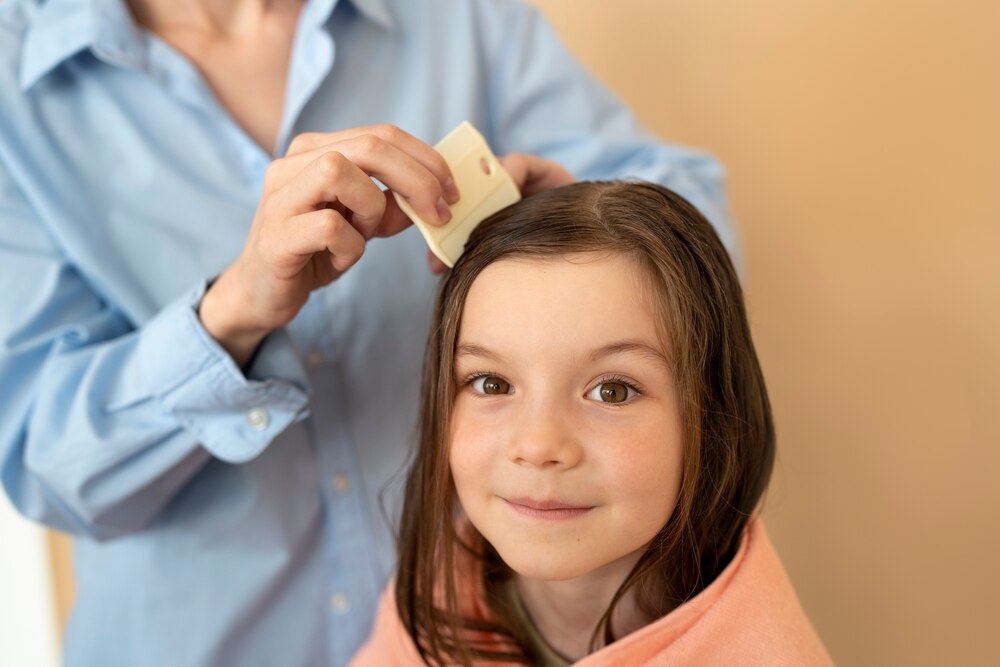
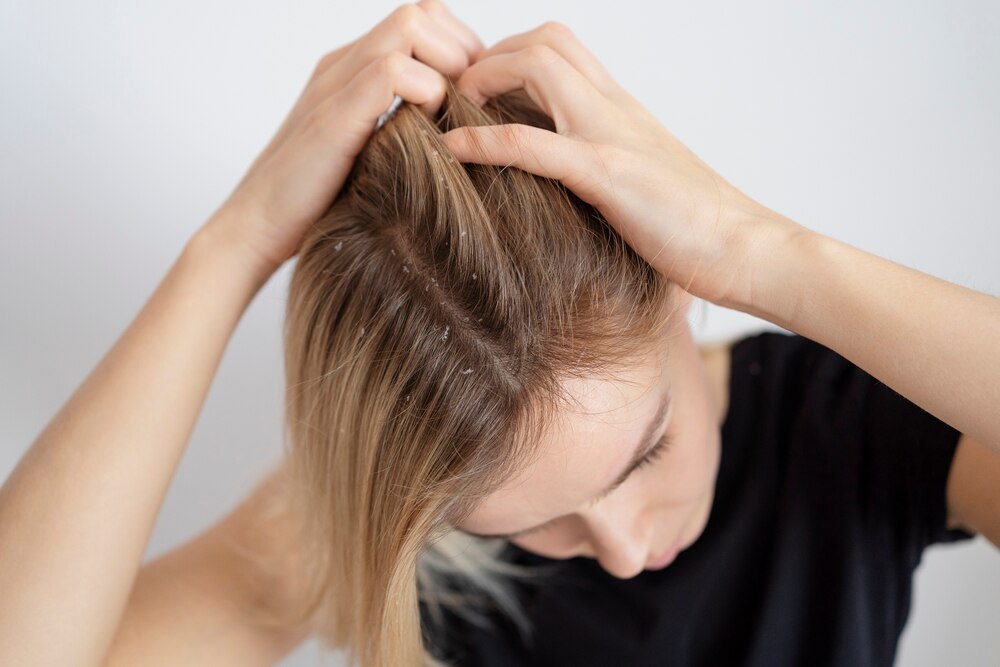
Common signs of head lice include persistent itching, small red marks from bites, and finding tiny moving insects or eggs (nits) attached to hairs near the scalp, especially behind the ears and at the nape of the neck. Nits are oval and firmly attached; white specks that flick off are usually dandruff. Perform a wet-combing check: apply conditioner, comb hair from roots to tips with a fine-tooth nit comb, wiping the comb on tissue to check removed lice. Early detection and consistent treatment reduce spread and shorten infestations.
Medications, Resistance and When to Seek Help
OTC lice treatments include permethrin, pyrethrins with piperonyl butoxide, and silicone-based products like dimethicone. Some lice populations show resistance to insecticide products, so if a product doesn't work after correct use and repeat application, try a different active method or consult a pharmacist or GP. Non-insecticidal silicone treatments can suffocate lice and are a useful alternative. Always check age restrictions and avoid using products on very young infants unless advised by a healthcare professional. Combine any chemical treatment with meticulous wet-combing for best results.
Confirm live lice before treating
Follow product label instructions
Repeat treatment as directed
Seek advice for treatment failure
Practical housekeeping tips
Cleaning, Laundry and Home Care
Household cleaning focuses on items that contact the head in the past 48 hours. Wash hats, pillowcases, scarves and bedding on a hot cycle if fabric allows; dry on a hot setting. For items that can’t be washed, seal in a plastic bag for 48 hours or more to starve lice. Vacuum sofas and car seats, and soak combs and brushes in hot water for 10 minutes. You don’t need to fumigate the home; lice don’t survive long off the head. Inform close contacts so they can check and treat if needed.

Frequently Asked Questions
Answers to common questions about detection, household measures and when to seek professional help.
How do I check my child for lice?
Use wet-combing: apply conditioner, comb small sections with a fine-tooth nit comb from scalp to ends, and wipe the comb onto white tissue to inspect for lice.
Do pets spread head lice?
No. Head lice are human-specific and do not infest household pets.
When should I see a pharmacist or GP?
If treatments fail after correct use, for children below recommended treatment ages, or for scalp infection or severe irritation, seek professional advice.
How often should I repeat treatment?
Follow the product label; many treatments advise a repeat application 7–10 days after the first to kill newly hatched lice.
Can I prevent lice?
Prevention focuses on avoiding head-to-head contact, regular checking during outbreaks, and not sharing hairbrushes or hats.
Practical guidance for parents and carers
Clear, Calm Guidance
Treatments work best when combined with careful combing and simple household measures. Check all close contacts and treat only confirmed infestations to avoid unnecessary product use. Emphasise gentle, patient wet-combing as a mechanical method that helps remove live lice and eggs. Keep records of treatment dates and follow-up checks. If you’re unsure which product to choose, speak with a pharmacist for tailored recommendations, especially for young children, pregnant or breastfeeding people, or those with sensitive skin.
Wet-Combing
Use conditioner and a fine-tooth comb every 2–3 days.
Treatment Options
Choose licensed products and follow instructions carefully.
Household Care
Wash or bag recent bedding and soft toys for 48 hours.