


Community Pharmacy Consultation Scheme (CPCS)
Access fast, expert care for minor illnesses through the Community Pharmacy Consultation Scheme. Pharmacists can provide clinical advice, treatment, or urgent prescription supplies where appropriate. No appointment usually needed; walk-in or referral from NHS services is accepted. Confidential, professional support close to your community.
What CPCS offers
Quick care, clinical assessment, and onward referral
Under the CPCS, patients with urgent but non-life-threatening conditions can see a trained community pharmacist for assessment and treatment. Pharmacists follow local clinical pathways, can supply prescription-only medicines when clinically appropriate, and will refer to a GP, urgent care or emergency services if necessary. The scheme supports timely care, reduces pressure on primary care and emergency departments, and enhances access to trusted clinical advice in the community. All consultations are confidential and recorded appropriately to ensure continuity of care.
Same-day consultations
Urgent medication supply
Pharmacist clinical assessment
Referral to other care
Clinical support from trained pharmacists
Assessment and treatment for minor conditions
Pharmacists participating in CPCS are trained to assess a wide range of common conditions such as sore throat, earache, minor skin infections, and urinary symptoms. They use evidence-based guidelines to decide on self-care, supply of medicines, or referral. Consultations typically cover symptoms, medical history, current medications, and allergies. When a medicine is needed, pharmacists can supply it under agreed local protocols or advise on over-the-counter treatments. Records are kept to support safe follow-up and continuity with the patient’s primary care team.

How it works
Private consultations and timely treatment
If you are referred into CPCS or walk in with an urgent minor condition, the pharmacist will conduct a private consultation, explain treatment options, and provide any necessary medicines or advice. For urgent repeat prescriptions, pharmacists can issue emergency supplies where local protocols allow. The service aims to be fast and accessible, often without appointment, and is appropriate for many conditions that do not require GP attendance. If the pharmacist identifies signs that need urgent medical attention, they will arrange immediate onward referral.

Fast access
Same-day or walk-in availability for many issues
Medicines supplied
Emergency supplies or clinically appropriate medicines provided
Professional advice
Confidential clinical assessment by a pharmacist
Key benefits of CPCS
Community pharmacists form a vital part of urgent care delivery through CPCS. They assess patients, manage symptoms, and provide treatments when safe and appropriate. The scheme helps to free GP appointments for more complex cases by handling straightforward urgent needs locally. Pharmacists will keep a record of the consultation and share information with the patient’s GP when required. The service is intended to be convenient, reducing travel and waiting time while maintaining high standards of clinical care and patient safety.
Private clinical consultations
Support for common ailments
Emergency medication supply
Appropriate referrals arranged
CPCS - Frequently Asked Questions
Frequently asked questions about CPCS to help you prepare for a pharmacy consultation.
Who can use CPCS?
Patients with urgent minor illnesses referred by NHS services or walking into participating pharmacies can use CPCS.
Do I need an appointment?
Many pharmacies accept walk-ins, but some may offer appointments or scheduled slots.
Can I get prescription medicines?
Pharmacists can supply medicines under local clinical protocols when clinically appropriate.
Is the consultation confidential?
Yes. Consultations are private and handled in confidence following professional standards.
What if I need more care?
Pharmacists will refer you to a GP, urgent care, or emergency services if needed.
Accessible care for common conditions
Quick, local clinical support
Use CPCS for quick, expert help with non-emergency issues. Pharmacists will guide treatment and refer when necessary.
What to expect at your visit
Thorough assessment and clear advice
During a CPCS visit the pharmacist documents symptoms, reviews medicines and allergies, and considers vulnerable factors such as pregnancy or chronic illness. Advice may include self-care measures, over-the-counter products, or prescription medicines supplied under scheme protocols. If the pharmacist cannot resolve the issue, they will arrange onward care. The goal is safe, timely resolution of minor problems while ensuring patients receive the right level of care and clear instructions for follow-up if symptoms persist or worsen.
Integrated local healthcare
Connected care and medication safety
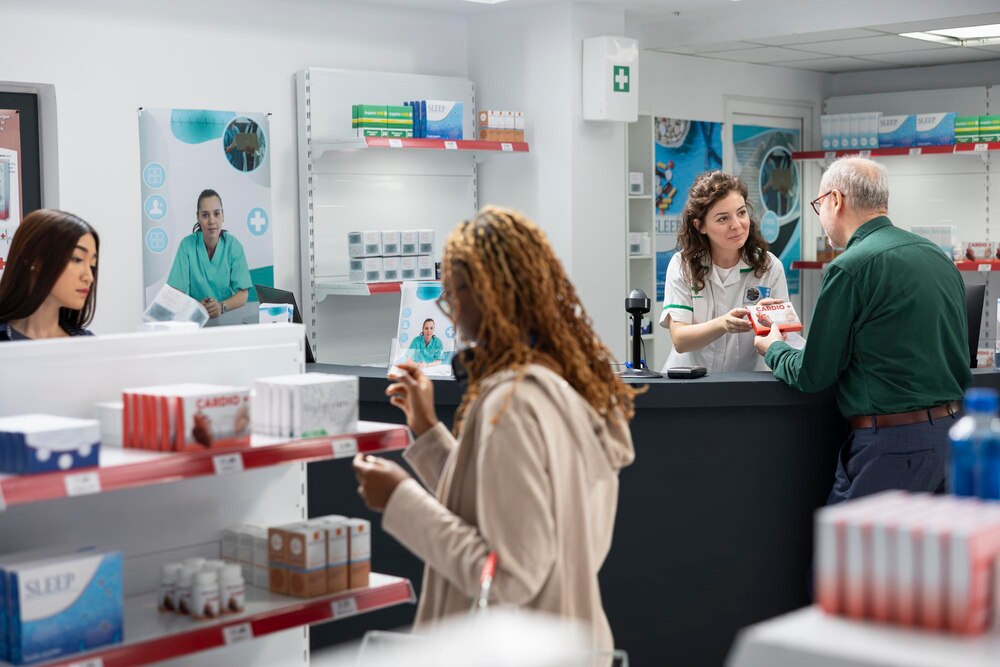
Pharmacists involved in CPCS collaborate with local health services to follow agreed pathways and ensure consistent care. They can communicate with GPs, update medical records when required, and make referrals to ensure continuity. The service supports safe medicine use by checking interactions and advising on correct administration. Patients often benefit from faster symptom relief and tailored advice, particularly when they need urgent medication or reassurance about a minor condition.